
Top 10 Must-Have Items for Any Wedding
Orchestrating a wedding involves countless decisions, from grand gestures to minute details that collectively create your perfect day. Whilst the sheer volume of choices can feel daunting, focusing on genuine essentials ensures nothing crucial slips through the cracks. This comprehensive guide explores ten fundamental elements every wedding requires, offering practical insights to help you navigate the planning process with confidence and create a celebration that flows seamlessly from start to finish.
Table of Contents
Top 10 Must-Have Items for Any Wedding
1. Invitations and Stationery Suite
Your invitations represent guests’ first tangible impression of your celebration, establishing expectations for style, formality, and atmosphere. Whether choosing traditional printed cards, contemporary digital invites, or eco-friendly plantable paper, ensure every piece communicates essential information clearly: ceremony and reception locations, dates and times, dress code guidance, and RSVP details including deadlines and preferred response method.
Timing matters significantly—dispatch invitations approximately six to eight weeks before your wedding date, allowing guests adequate time to arrange travel, accommodation, and schedule adjustments. For destination weddings or celebrations during peak holiday periods, extend this timeline to twelve weeks, giving people maximum flexibility for planning.
Consider creating a cohesive stationery suite that extends beyond the main invitation. Save-the-date cards sent four to six months early help guests block calendars, particularly valuable for weddings requiring significant travel. Include supplementary details cards addressing parking arrangements, accommodation recommendations, gift preferences, and dietary requirement requests. Order of service booklets, menu cards, table numbers, place cards, and thank-you notes that echo your invitation design create visual continuity throughout your celebration.
Pro tip: Provide clear directions and interactive maps for your venue, especially if located in rural areas or places with limited mobile signal. Include suggestions for local accommodation across various price points, and consider arranging room blocks at nearby hotels for guests’ convenience.
2. Wedding Wardrobe and Accessories
Your wedding attire deserves careful consideration and ample preparation time. Begin shopping for your main outfit at least six to nine months before your wedding, allowing for multiple fittings, alterations, and any unexpected delays. Remember that wedding attire extends beyond the primary dress or suit—consider your entire wedding party’s clothing, ensuring everyone feels comfortable and confident.
Accessories complete your look and often require as much attention as the main garment. Shoes need breaking in to prevent painful blisters during hours of standing and dancing. Jewellery should complement rather than overpower your outfit. Veils, hairpieces, or headwear require coordination with your hairstylist. Don’t overlook practical items like comfortable undergarments, appropriate hosiery, and backup accessories in case of breakage or loss.
For bridesmaids and groomsmen, initiate discussions early about styles, colours, and budget expectations. Some couples provide complete outfits whilst others specify colour palettes and allow individual choices. Either approach works provided everyone understands expectations and timelines. Consider body diversity within your wedding party, selecting styles that flatter various shapes and sizes.
Pro tip: Assemble a comprehensive emergency wardrobe kit including spare buttons, safety pins, a quality sewing kit, fashion tape, stain remover pens, and backup hosiery. Assign a reliable friend or family member as keeper of this kit, ensuring it’s accessible throughout the day. Schedule final dress or suit try-ons the week before your wedding to confirm everything still fits perfectly and identify any last-minute adjustments needed.
3. Wedding Rings
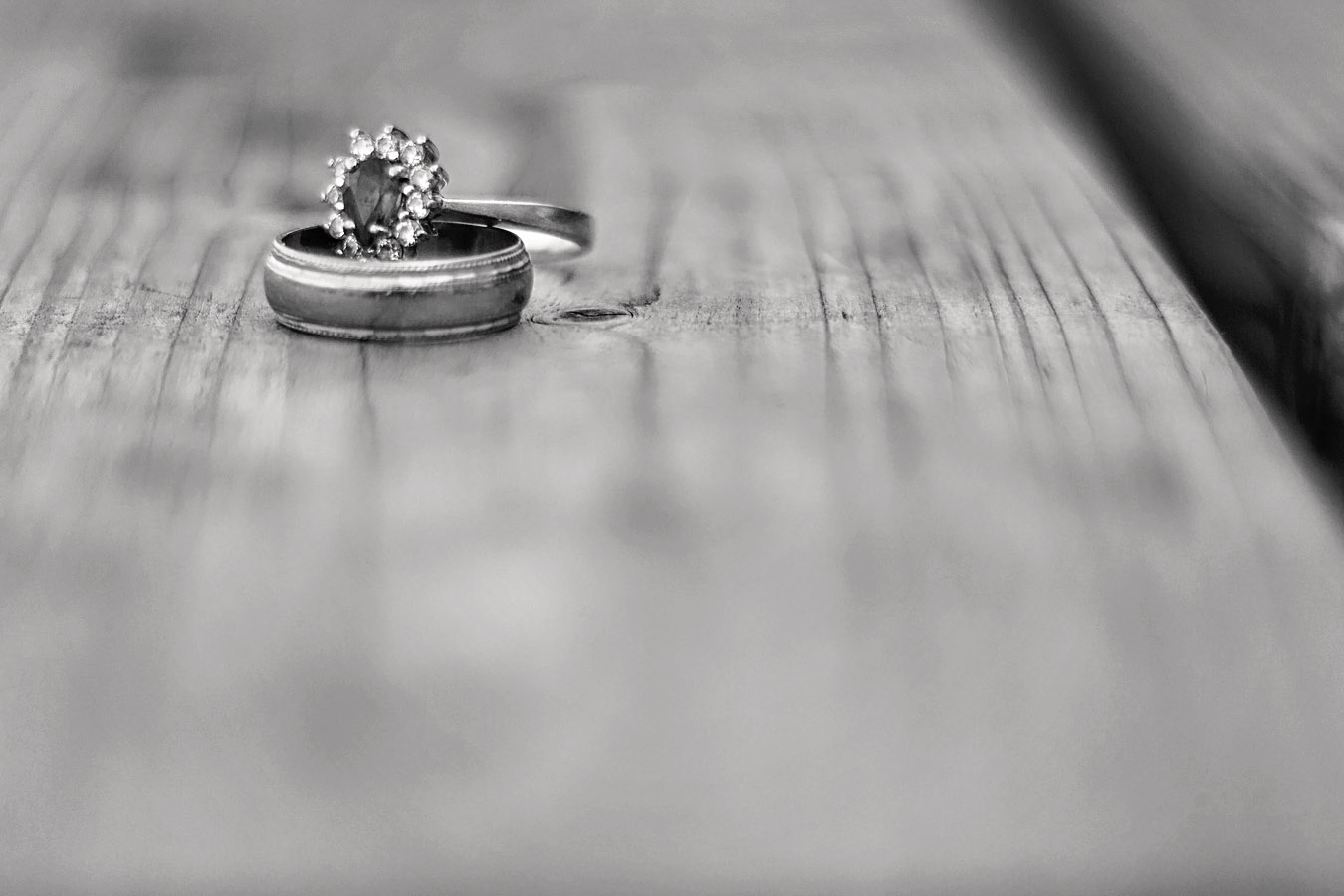
Wedding bands symbolise eternal commitment and love, making their selection deeply personal and significant. Begin shopping approximately three to four months before your wedding, allowing time for sizing, engraving, and any custom design work. Consider lifestyle factors when choosing materials and styles—active individuals might prefer durable metals like platinum or tungsten, whilst those with metal sensitivities should explore hypoallergenic options.
Many couples coordinate ring styles, choosing complementary designs that reflect their relationship whilst honouring individual preferences. Discuss width, finish, gemstones, and profile preferences together, ensuring both partners feel genuinely excited about wearing their rings daily for decades to come.
Engraving adds intimate personalisation invisible to others but meaningful to you both. Popular choices include wedding dates, initials, coordinates of special locations, or brief meaningful phrases. Keep engravings concise—most rings accommodate fifteen to twenty characters comfortably.
Pro tip: Purchase rings in your correct size measured professionally by a jeweller, as finger sizes fluctuate with temperature, time of day, and physical activity. Designate a trusted wedding party member as ring bearer, providing them with a secure box or pouch. Some couples use replica rings for the ceremony, keeping their actual bands safely secured until the reception. Take photographs of your rings for insurance purposes and retain all purchase documentation.
4. Venue Styling and Decorations
Transforming your chosen venue into a space that reflects your vision requires thoughtful decoration planning. Whether working with professional decorators or embracing DIY approaches, begin conceptualising your aesthetic at least four to five months before your wedding. Create mood boards, collect inspiration images, and develop a cohesive colour palette that flows through every decorative element.
Floral arrangements typically constitute the largest decorative investment. Collaborate with your florist to select seasonal blooms that align with your budget whilst achieving your desired visual impact. Consider ceremony arrangements, reception centrepieces, personal flowers for the wedding party, decorative installations, and any additional floral touches for welcome areas, cake tables, or bar spaces.
Lighting dramatically influences atmosphere and shouldn’t be underestimated. Fairy lights create magical warmth, uplighting highlights architectural features, candles provide romantic ambience, and statement chandeliers or suspended installations become stunning focal points. Discuss lighting plans with your venue, understanding what’s included and what requires external hiring.
Pro tip: Visit your venue at the exact time your celebration will occur, observing natural light conditions and identifying areas needing enhancement. Create detailed floor plans showing table arrangements, decorative element placement, and traffic flow patterns. If crafting DIY decorations, complete projects well in advance and conduct a complete setup trial to identify any issues requiring adjustments.
5. Ceremony Components
Your ceremony represents the emotional heart of your wedding day, deserving meticulous planning to ensure everything proceeds smoothly and meaningfully. Beyond the obvious requirement of an officiant qualified to legally solemnise your marriage, consider elements that personalise your ceremony and make it uniquely yours.
Ceremony programmes help guests follow proceedings whilst providing context for readings, musical selections, or cultural traditions they might not recognise. Include the order of events, explanations of unity ceremonies or symbolic gestures, names of wedding party members, and perhaps a brief thank-you message to attendees.
Unity ceremonies—whether lighting candles together, blending coloured sand, planting trees, or creating other symbolic representations of joining lives—add visual and emotional depth to proceedings. Select rituals that genuinely resonate rather than including them simply because they’re traditional.
Your vows represent the ceremony’s most profound moment. Whether writing original promises or adapting traditional wording, practise delivering them aloud multiple times before your wedding day. Print or write them clearly on quality paper or cards, having backup copies available in case of nerves or misplaced notes.
Pro tip: Appoint a trusted coordinator to manage ceremony logistics—cuing musicians, handing out programmes, ensuring the rings and vows are positioned correctly, signalling photographers for key moments, and managing any unexpected situations. This person becomes your behind-the-scenes champion, allowing you to remain focused and present during your ceremony.
6. Music and Entertainment
Music profoundly influences your celebration’s emotional resonance and energy. Curate a thoughtful soundtrack spanning your entire event, from pre-ceremony background music through reception dancing. Decide whether live musicians, DJs, or carefully constructed playlists best suit your vision and budget.
For ceremonies, select processional music for the wedding party entrance, meaningful pieces for the bridal entrance, contemplative background music during signing or unity ceremonies, and celebratory recessional music. Reception music requires equal attention—cocktail hour ambience, dinner background selections, meaningful songs for first dances, parent dances, cake cutting, and open dancing.
Live entertainment extends beyond music. Consider surprise performances, interactive elements like photo booths or games, or cultural entertainers reflecting your heritage. Whatever entertainment you choose, ensure it enhances rather than overwhelms conversation and connection.
Pro tip: Create comprehensive playlists for your DJ or band including specific ceremony processional songs, must-play reception tracks, and equally important “do-not-play” lists preventing unwelcome musical choices. Schedule key musical moments throughout your timeline, ensuring nothing gets forgotten in the excitement. Meet with musicians or DJs well before your wedding, discussing your vision, energy preferences, and any special requests or considerations.
7. Catering and Wedding Cake
Exceptional food and drink create lasting impressions and keep guests comfortable and energised throughout your celebration. Begin researching caterers six to nine months before your wedding, scheduling tastings with your top choices. Discuss menu options accommodating various dietary requirements—vegetarian, vegan, gluten-free, allergies—ensuring every guest enjoys delicious food.
Consider your event’s flow when planning courses and timing. Cocktail hour canapés bridge the gap between ceremony and reception, substantial mains satisfy appetites, and late-night snacks fuel dancing into the evening. Beverage service deserves equal attention—from welcome drinks through dinner wine pairings to signature cocktails and late-night coffee service.
Your wedding cake serves as both dessert and decorative centrepiece. Schedule cake tastings, exploring flavours, fillings, and frosting options whilst discussing design possibilities. Whether choosing traditional tiered elegance, modern geometric designs, or alternative dessert displays like cupcake towers or doughnut walls, ensure your sweet offerings photograph beautifully whilst tasting exceptional.
Pro tip: Discuss service timing with your caterer, ensuring food arrives at optimal temperatures and presentations. Plan for approximately 15-20% more servings than your confirmed guest count, accommodating last-minute additions and heartier appetites. If serving cake as dessert, consider offering alternative options for guests with different preferences. Schedule a detailed tasting menu review one month before your wedding, confirming all details and making any final adjustments.
8. Professional Photography and Videography
Photographs and films become your lasting tangible memories, making professional documentation one of your most valuable investments. Begin researching photographers and videographers nine to twelve months before your wedding, reviewing portfolios for stylistic alignment with your aesthetic preferences—whether classic and posed, photojournalistic and candid, editorial and dramatic, or a balanced combination.
Schedule meetings with potential photographers, discussing your vision, must-have shots, family dynamics, timeline expectations, and deliverable formats. Chemistry matters enormously—you’ll spend significant time with these professionals, so feeling comfortable and understood is essential. Review complete wedding galleries rather than just highlight reels, assessing consistency and ability to capture various lighting conditions and moments.
Create a detailed shot list prioritising absolute must-haves—specific family groupings, particular venue features, meaningful details—whilst allowing your photographer creative freedom for candid moments and artistic interpretations. Designate a family coordinator who knows everyone and can efficiently gather people for group photographs, saving valuable time.
Pro tip: Schedule engagement sessions with your photographer, providing practice being photographed together whilst developing rapport and understanding their directing style. Build adequate photography time into your wedding day schedule—rushed sessions create stress and limit creative possibilities. Discuss backup equipment, second shooters, and contingency plans for illness or emergencies. Clarify usage rights, delivery timelines, and what happens to raw files after editing completion.
9. Guest Appreciation Favours
Wedding favours express gratitude to guests for sharing your celebration. Select meaningful items that reflect your personality, tell your story, or provide genuine utility rather than selecting generic trinkets destined for disposal. Thoughtful favours become keepsakes guests actually treasure and use.
Popular meaningful options include edible treats like locally made preserves, artisan chocolates, or personalised biscuits; practical items like custom candles, mini succulents, or reusable shopping bags; charitable donations made in guests’ honour to causes you support; or experience-based favours like seed packets encouraging planting and growth alongside your marriage.
Personalisation elevates favours from generic to special. Include tags explaining significance, add custom labels, or incorporate your wedding date and names. Presentation matters—beautiful packaging enhances perceived value and makes favours feel more special.
Pro tip: Calculate favour quantities carefully, ordering five to ten percent extra for last-minute guest additions, breakages, or keeping as mementos. Display favours attractively at place settings, on a dedicated table, or integrated with your table decor. Consider practical favours that serve dual purposes—perhaps hangover recovery kits doubling as late-night party fuel, or blankets guests can use during chilly evening outdoor receptions then take home afterwards.
10. Comprehensive Emergency Kit
Despite meticulous planning, unexpected situations inevitably arise. A well-stocked emergency kit managed by a designated helper can resolve minor crises before they become major problems. Assemble your kit weeks in advance, ensuring nothing gets forgotten in final preparations.
Essential items include wardrobe repair supplies—safety pins, spare buttons, needle and thread, fashion tape, and fabric scissors; beauty touch-ups—makeup, hairspray, bobby pins, tissues, and blotting papers; medical necessities—plasters, pain relievers, antihistamines, and prescription medications; practical tools—phone chargers, small torch, stain remover pen, and spare hosiery; comfort items—breath mints, energy bars, bottled water, and comfortable backup shoes.
Expand your emergency kit based on specific circumstances. Outdoor weddings require sun cream, insect repellent, and umbrellas. Summer celebrations need electric fans and cooling wipes. Winter weddings benefit from hand warmers and spare blankets.
Pro tip: Create a detailed emergency kit checklist and pack everything in a clearly labelled bag or box entrusted to a responsible wedding party member or coordinator. Include vendor contact numbers, venue information, and your day-of timeline in case anyone needs to communicate with suppliers. Review the kit contents one week before your wedding, replacing any depleted items and adding last-minute additions based on weather forecasts or specific concerns.
Final Thoughts
Planning a wedding requires balancing grand visions with practical necessities, ensuring nothing essential gets overlooked whilst creating a celebration that authentically represents your relationship. These ten fundamental elements form the foundation of successful weddings, regardless of size, style, or budget.
Remember that perfection isn’t the goal—presence and joy matter infinitely more than flawless execution. Unexpected moments often become the most cherished memories, so embrace flexibility and focus on what truly matters: celebrating your commitment surrounded by people you love.
Start planning early, communicate clearly with all vendors and participants, build buffer time into your schedule for the inevitable unexpected, and trust the team you’ve assembled to handle details on your wedding day. Most importantly, create moments throughout your celebration to step back, breathe deeply, and genuinely absorb the significance and joy of what you’re experiencing.
Your wedding day will pass quickly, but thoughtful preparation ensures those fleeting hours become beautiful, stress-free memories you’ll treasure forever. Here’s to creating a celebration that perfectly captures your love story whilst welcoming the exciting journey ahead.

Pingback: Top 5 Wedding Venues in Leeds for Perfect Day